

The Hide , Friday 25th July 2025

July is drawing to an end and in many ways another typical British summer month with overpowing hot and humid weather replaced by overcast sultry days and sporadic rainy showers. In reality we do need a period of rain to replenish the ponds and give the meadow a much needed watering.
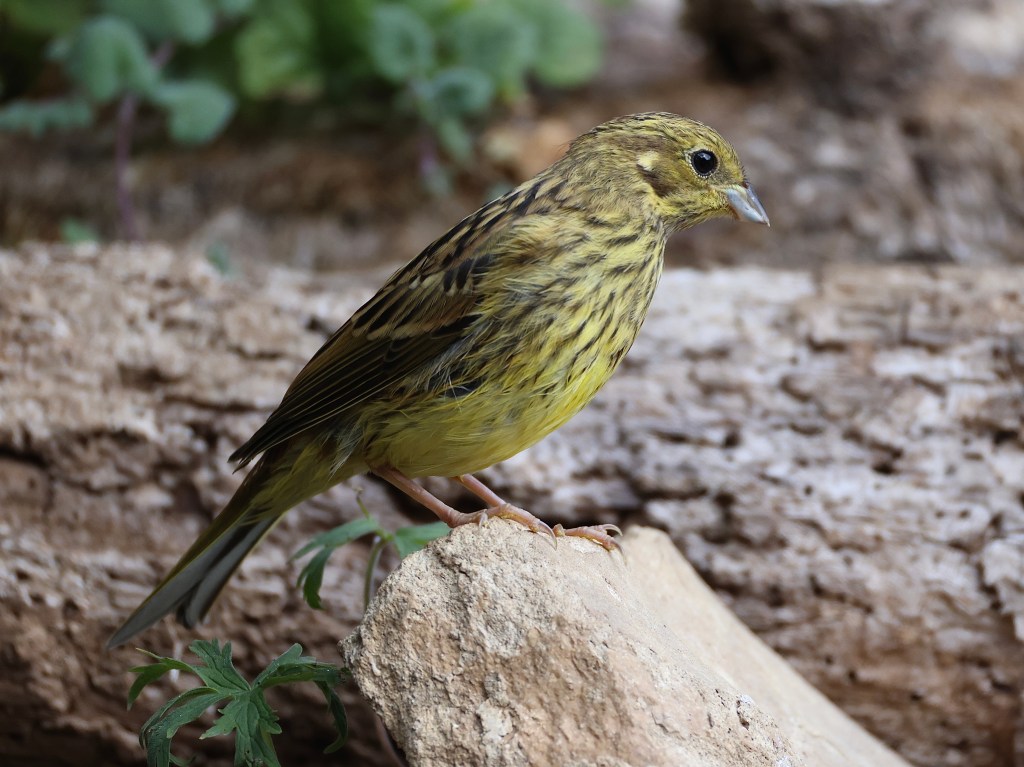
In the news this week , a grassland habitat could double in size as an old farming approach is set to be used to boost biodiversity. Gloucestershire Wildlife Trust’s proposal for the Greystones farm nature reserve in Bourton-on-the-Water involves reinstating a traditional beef herd for grazing. The trust said this change will help to increase the area of farmed land that also benefits nature, supporting farmland birds such as yellowhammers. Andrew McLaughlin, CEO of Gloucestershire Wildlife Trust, said it will give them “better control over how the site is grazed” and “boost nature”. Read the full story here ( from the BBC )
Also making the news , One of the UK’s rarest birds has bred on a nature reserve near Hull for the first time in its history. Yorkshire Wildlife Trust (YWT) said a juvenile bittern was spotted at North Cave wetlands last week, marking the first time the species had ever bred on its site. Bitterns, which make a distinctive booming call, were once extinct in the UK but returned in the 20th Century. YWT reserve manager Tony Martin said it was “heartening” to see that the trust’s “careful management of these wild spaces is having huge benefits for Yorkshire’s wildlife.” Read the full story here ( from the BBC )

Right then , time for the main event . Who has been visiting the hide today. I’m going to start once again with the mammals and the Grey Squirrel gang who have been a little less boisterous lately, hopefully the days of the gang terrorising everyone around the pond have gone , maybe ? Then we have the male Roe deer who is fast becoming a regular pond side guest. The rat pack and the rather cute little rabbits complete the list of furry visitors for today.
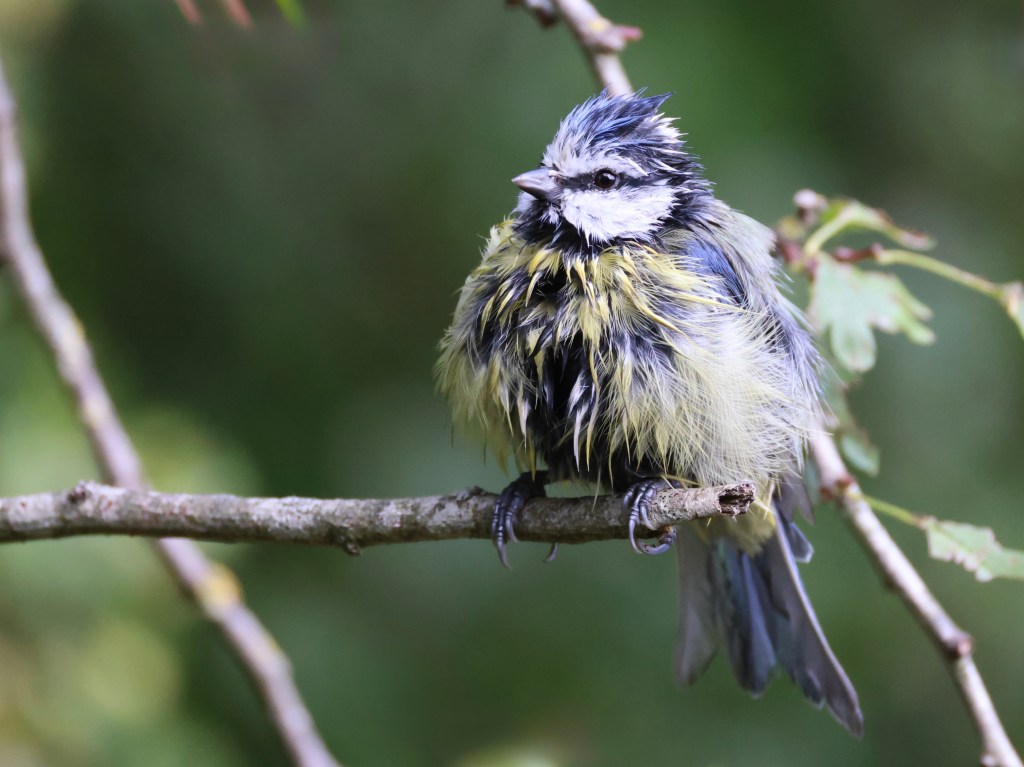
Moving on to the feathers , we have the tit families here in good numbers . It has been a bumper breeding season for the Blue tits , and there are a good number of Great tits and Long-tailed tits as well. Then we have the Robin’s , again here in good numbers with at least six individual birds. One question I’m asked more than any other is why European Robin’s are so different in appearance to their American counterparts. The simple answer is that they are completely different species. American Robins are members of the Thrush family , European Robin’s are members of the Old world flycatcher family.

So completing the list , we have the Dunnock , a pair of Bullfinches , a male Goldfinch , Wren , Yellowhammer , Chaffinch , Magpie , Jackdaw , Chiffchaff , Wood Pigeon , Jay , Jackdaw and Greater Spotted Woodpecker.
Until next time keep safe and keep it wild !

There’s lots more information about my local patch wildlife , click here for more details.


 Wildonline.blog

That looks like a very content rabbit in your video. 🙂
LikeLike