
Mammals – Part 2 What is a Mammal
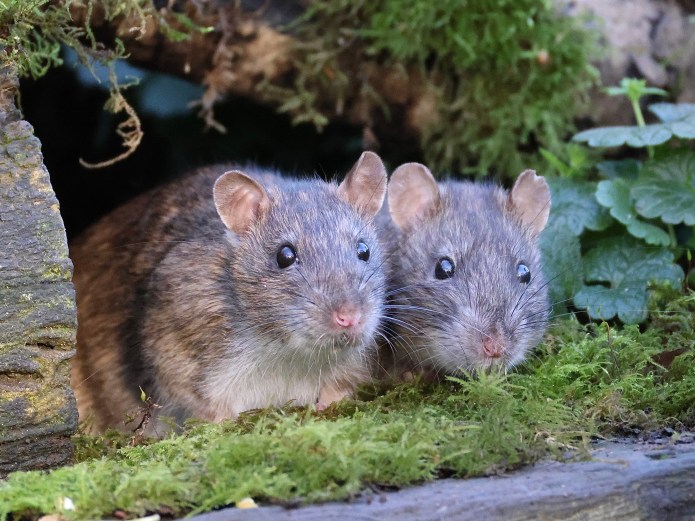
All the mammals that call the British isles home share the same characteristics , so let’s explore just what makes a mammal , a mammal.
The Badger is the largest terrestrial predator/carnivore in Britain
Let’s start with the live birth . Whilst there are a few mammals that give birth by laying eggs , all the species that live in these islands give birth to live young. The female produces milk in the Mammary gland to nurture the young mammal. And that’s where mammals get their name, from the Latin word mamma which means breast.
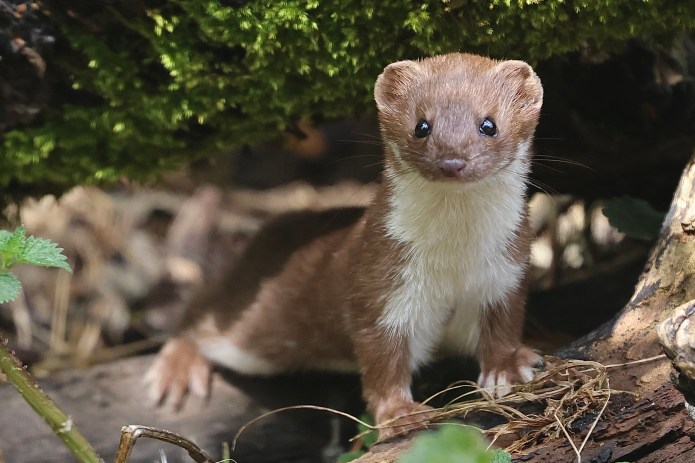
Without exception all mammals need to breath air and every species , even aquatic mammals like Whales and dolphins have lungs. Marine mammals have special biological adaptations that allow high concentrations of hemoglobin and myoglobin—that allow them to hold their breath for extended period under water but they still have to surface to breath..
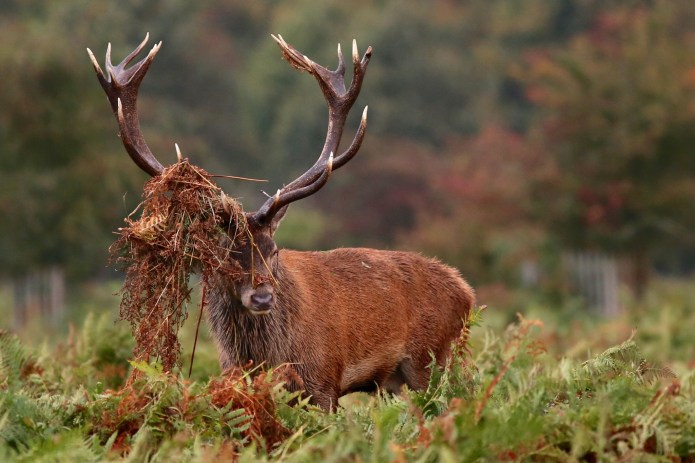
The UK’s largest land mammal, a mature Red deer stag.can weigh up to 200kg
All mammals are warm blooded or endothermic , they need to maintain a steady body temperature regardless of external conditions. Most have hair of fur at some stage of their life to help insulate and regulate body temperature. For some of the smaller mammals maintaining a constant temperature can be a matter of life and death. A Shrew must consume up to two to three times their own body weight in food every single day. They have one of the highest metabolic rates and fastest heartbeats (up to 1,200 beats per minute) of any mammal. Missing a meal for just a few hours can cause them to die of starvation or hypothermia.
All mammals are vertebrates, which means they have a strong spine of bones down their back to support their head and body. Most mammals also have a single lower jaw made of solid bone that connects directly to the skull. Most also have three tiny bones in the middle ear (malleus, incus, and stapes—or hammer, anvil, and stirrup) that transmit sound.
.
©️ wildonline.blog 2026 , all rights reserved


2 replies »