
The Barn Owl – Tyto alba
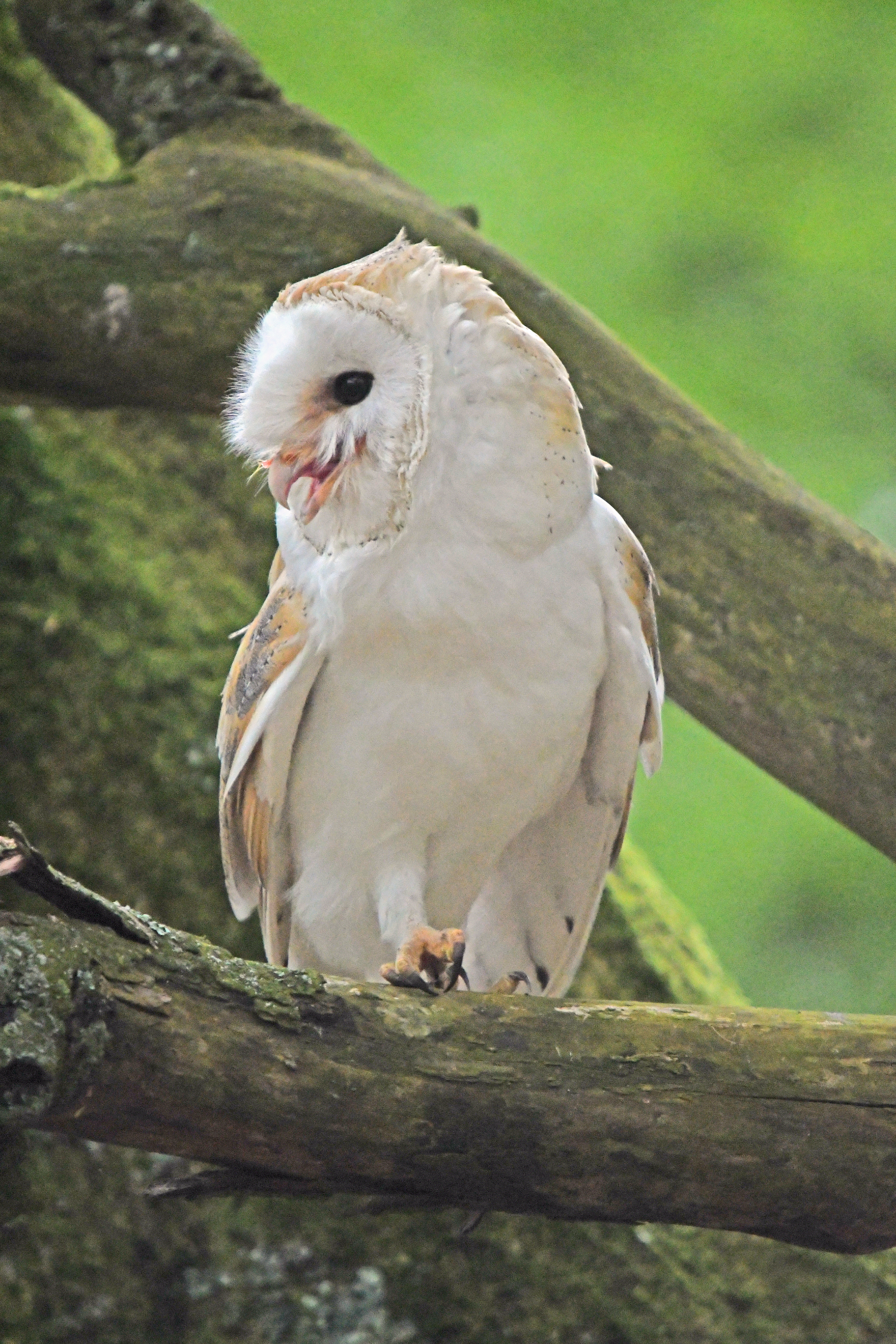
With its heart shaped face the Barn Owl is probably the most popular owl in the UK. It is also one of the most widely distributed of owls throughout the world although its colouration does vary. The Barn Owls call is a far less attractive screech not the Twit Twoo sound which is actually a Tawny Owl.
In some areas barn owls were known as ‘demon owls’, due to the harrowing shrieks they make.
The Barn Owl will generally mate for life although the male has been known to have 2 wives. Barn owls usually choose to build their nest in holes in trees, or undisturbed buildings such as barns and outbuildings, ruins and, in some areas, mines, cliffs and quarries. They will also take advantage of artificial nest boxes if they are located in the right place.
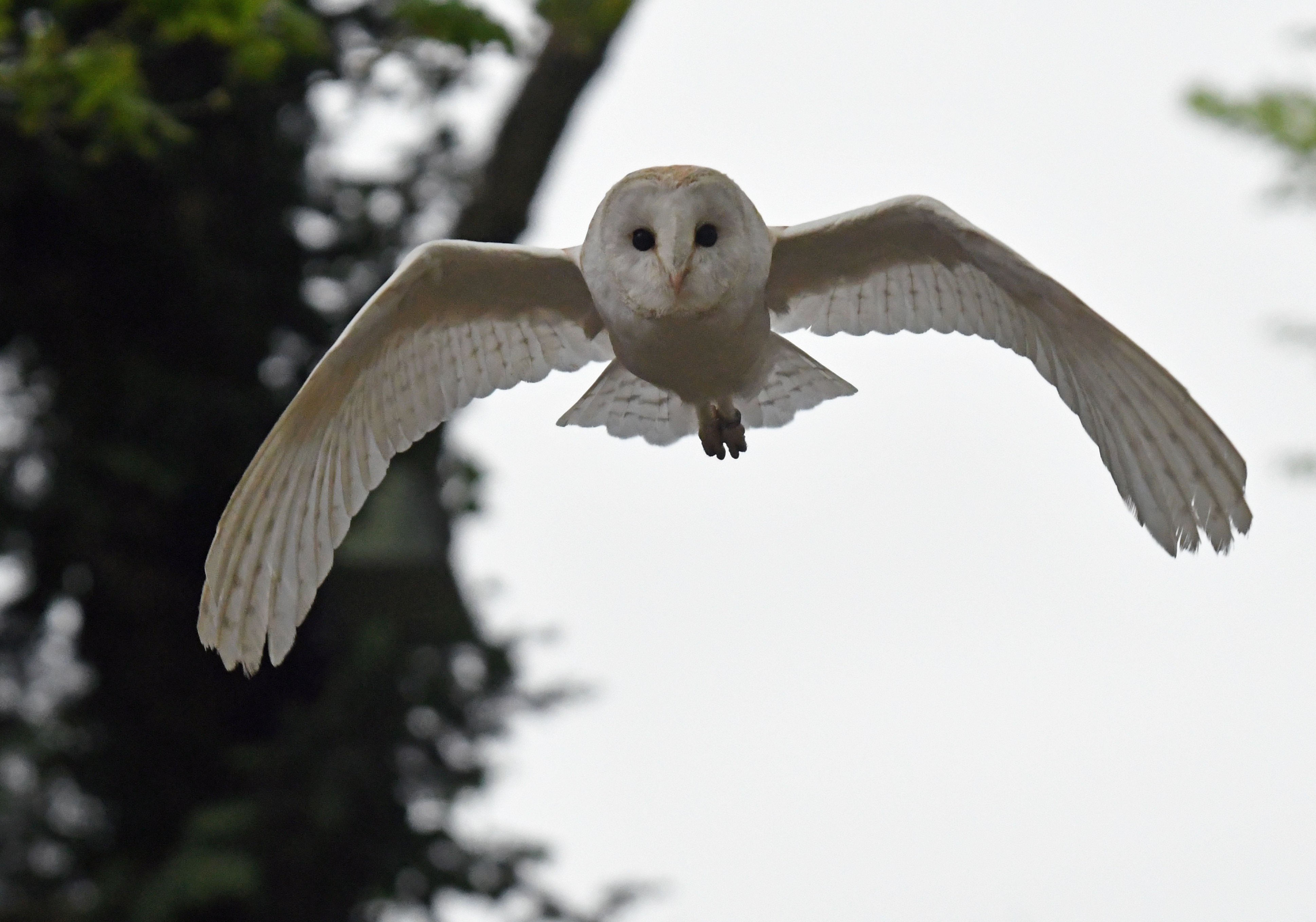
Clutch size and breeding success depends on the availability of main prey species, so there may be considerable year-to-year variation in breeding performance. Laying 4 to 7 eggs is normal, but it can be between 3 and 11. These eggs are laid at intervals of two to three days. Incubation lasts 30-31 days but the female begins with the first egg.
Barn Owls have lop-sided ears! One is higher than the other, which helps them to pinpoint exactly where tiny sounds are coming from.
The young hatch at two to three-day intervals and are at different stages: the youngest may die if food is short. The young birds fly at around 50 days. Two broods may be reared. About 75 per cent of young die in the first year: survivors normally live for another one to three years. The greatest known age in Europe is more than 21 years; there are several records of 12-17 years.
 .
.
The Barn Owls diet consists mainly of Mice, Shrews, Rats, Voles and small birds. The Barn Owl will generally hunt at night where its exceptional hearing is used to great effect. During the breeding season it can also be seen during the day due to the increased need for food. Prey is swallowed whole and then all the indigestible parts are regurgitated is smooth pellets.
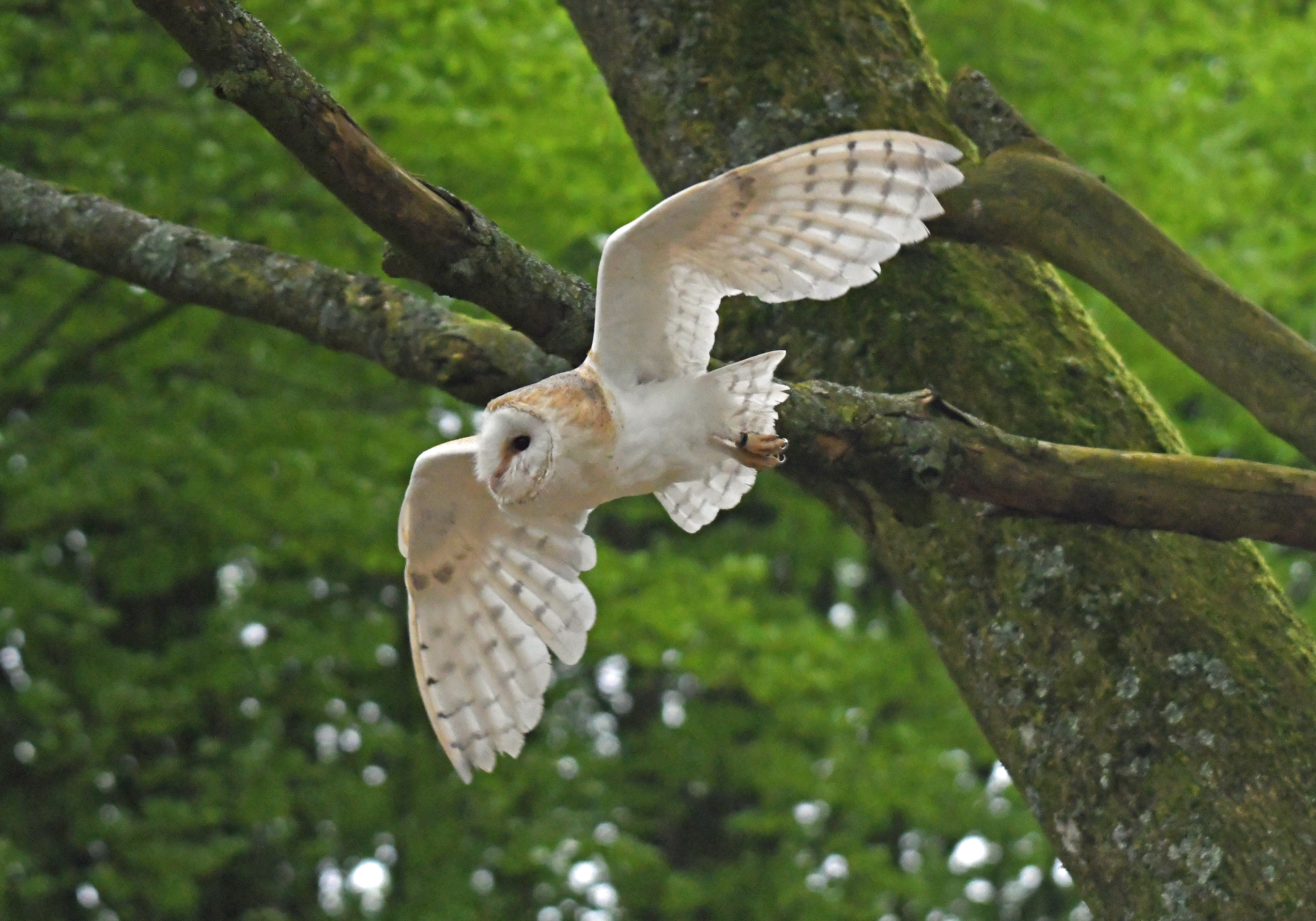
Barn Owl is silent in flight due to soft fringe-edged feathers that don’t “swoosh” as they move.
The population suffered terribly during the 50’s & 60’s due to the use of pesticides such as DDT. Numbers have steadily recovered and it is estimated there are some 4000 breeding pairs in the UK. Long periods of snow are also bad for the Barn Owl as the lack of available food will cause many to starve. Due to increased intensity of farming lack of habitat (old barns / farm buildings) is also an issue.

Conservation status
Classified in the UK as Green under the Birds of Conservation Concern 5: the Red List for Birds (2021). Barn Owls are included in Schedule 1 and are protected in the UK under the Wildlife and Countryside Act, 1981.
© wildonline.blog 2026 , all rights reserved / photography and words ,Graham Stewart


 Wildonline.blog
These pictures are stunning! Thank you for the learning, too!
LikeLike
They are such beautiful birds.
LikeLike